
10 Cheapest Cities in the USA to Visit This Year – Affordable Adventures Await!

Dreaming of an unforgettable getaway without draining your savings? You’re in luck! The United States is packed with vibrant cities that offer incredible experiences at surprisingly low prices. Whether you’re craving Southern charm, desert sunsets, or buzzing music scenes, there are plenty of destinations where your dollar stretches far.
In this guide, we’ll uncover the cheapest cities in the USA to visit—places where you can explore museums, savor local flavors, and dive into unique culture, all on a budget. From the colorful streets of Albuquerque to the soulful sounds of Memphis, these cities prove that adventure doesn’t have to come with a high price tag.
So grab your travel bag (and maybe your favorite pair of walking shoes), because we’re about to show you how to see more of America for less—without sacrificing fun, flavor, or comfort.
How We Picked the Cheapest Cities in the USA to Visit
When it comes to budget travel, “cheap” doesn’t have to mean “boring” or “bare-bones.” Our goal was to highlight cities that balance affordability with genuine local charm, unique attractions, and memorable experiences. To help you make the most of your money, we looked closely at several factors that truly affect a traveler’s budget—from accommodation prices to the cost of a cup of coffee downtown.
Factors That Make a City Budget-Friendly
We didn’t just look at airfare and hotel deals. Instead, we evaluated the overall value travelers can expect once they arrive.
Here’s what guided our selection:
- Affordable Lodging: Cities where you can find comfortable, clean hotels or Airbnbs for under $100 a night scored high on our list. Bonus points if hostels or local guesthouses offer even better deals.
- Low-Cost or Free Attractions: Whether it’s a scenic park, a local festival, or a museum with free admission days, the best budget destinations offer plenty to see and do without constant spending.
- Inexpensive Dining Options: We favored cities known for authentic, budget-friendly food scenes—think food trucks, local diners, and mom-and-pop eateries where meals rarely exceed $15.
- Public Transportation and Walkability: A city that’s easy to navigate on foot, by bike, or via public transit saves visitors money and makes exploring less stressful.
- Reasonable Overall Costs: We also referenced average daily spending data from sources like Numbeo and travel cost indexes to ensure these destinations consistently rank as affordable for both locals and tourists.
When to Visit for the Best Deals
Timing can make all the difference in your travel budget. Many U.S. cities see their best prices during shoulder seasons—those magical windows between peak and off-peak travel times. Visiting in spring or fall often means lower hotel rates, smaller crowds, and milder weather.
Airfare is another factor. Use tools like Google Flights or Hopper to track price drops and snag the best deals. If you’re flexible, traveling midweek rather than over a weekend can also shave off significant costs.
Finally, consider local events. Some of the cheapest cities in the USA offer free festivals, outdoor concerts, or art walks, especially in summer. Planning your trip around these experiences not only saves money but adds local flavor to your journey.
Top 10 Cheapest Cities in the USA to Visit
You don’t need a luxury budget to explore America’s diversity. From desert landscapes to riverside strolls and music-filled nights, these cities prove that great experiences don’t have to come with a hefty price tag. Here are ten destinations where your dollar goes further—without sacrificing culture, comfort, or fun.
1. Albuquerque, New Mexico
Albuquerque is a haven for travelers who crave sunshine, art, and affordability. The city’s average hotel rates are among the lowest in the Southwest, and you can enjoy attractions like Old Town Albuquerque, the Sandia Peak Tramway, and countless murals without breaking the bank. Dining is inexpensive too—grab authentic New Mexican dishes like green chile stew for under $15. With over 300 days of sunshine per year, affordable public transit, and a rich mix of Native American and Hispanic culture, Albuquerque is perfect for travelers who want big adventure on a small budget.
2. Kansas City, Missouri
Kansas City delivers world-class jazz, mouthwatering barbecue, and Midwest hospitality—all at wallet-friendly prices. Many of its top attractions are free, including the Nelson-Atkins Museum of Art, the National WWI Museum’s outdoor exhibits, and scenic Country Club Plaza. Food lovers can dive into hearty barbecue plates for less than $20, and hotel prices remain modest year-round. With a thriving arts scene and low transportation costs, Kansas City offers an authentic American experience that’s easy on your travel budget.
3. San Antonio, Texas
Rich in history and full of charm, San Antonio is a budget traveler’s dream. The San Antonio River Walk—lined with cafés and shops—is free to explore and ideal for scenic strolls. You can also visit The Alamo, one of America’s most iconic landmarks, without spending a dime. Affordable Tex-Mex cuisine, family-run motels, and low-cost attractions make this city an excellent value. If you visit in the shoulder seasons (spring or fall), expect mild weather and even better deals on lodging.
4. Savannah, Georgia
Savannah blends Southern elegance with budget-conscious fun. You can wander through 22 historic squares, explore Forsyth Park, and admire the city’s moss-draped oaks—all for free. Many of Savannah’s inns and boutique hotels offer off-season discounts, and the city’s walkable layout saves money on transportation. Local markets, food trucks, and affordable seafood joints make dining both tasty and cheap. With its cobblestone streets, river views, and lively arts scene, Savannah offers high value for a low price.
5. Boise, Idaho
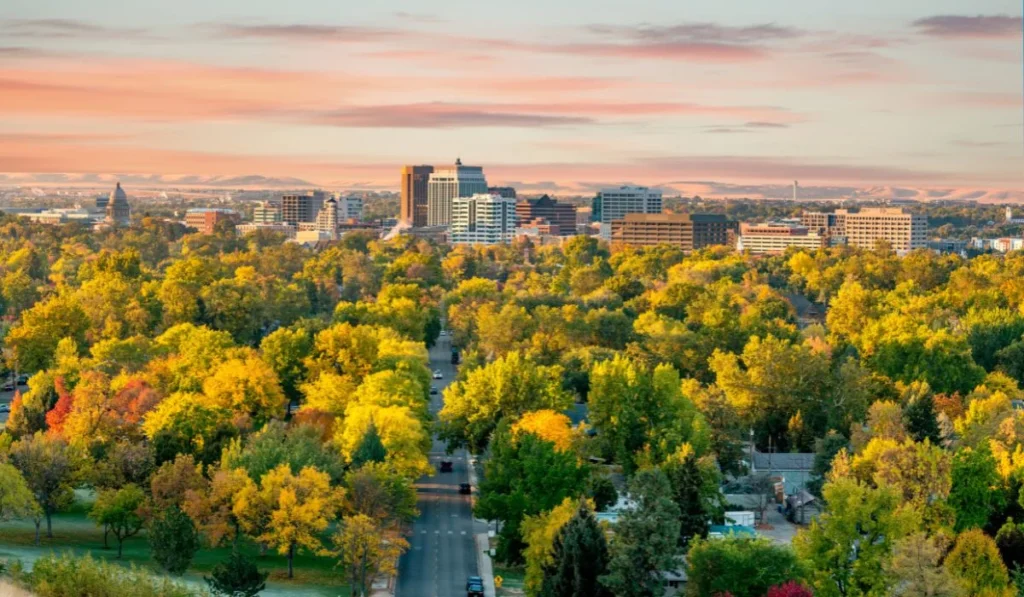
For travelers seeking a mix of urban comfort and outdoor adventure, Boise hits the sweet spot. Known for its clean streets and friendly vibe, Boise offers affordable lodging and delicious local dining. Outdoor lovers can hike the Boise River Greenbelt, explore nearby foothills, or visit free attractions like the Idaho State Capitol. The city’s compact downtown and bike-friendly design make getting around simple and inexpensive. With moderate costs and natural beauty at your doorstep, Boise proves you don’t have to spend big to breathe fresh mountain air.
6. Louisville, Kentucky
Louisville is famous for bourbon, baseball, and bluegrass—and you can experience it all without overspending. Visit Waterfront Park, Old Louisville, or the Big Four Bridge for free panoramic views of the Ohio River. Affordable bourbon tours and reasonably priced local restaurants keep costs low, while the city’s walkability makes exploring easy. Don’t miss the Louisville Slugger Museum, where tickets are modestly priced. With its blend of culture, history, and budget-friendly attractions, Louisville is a hidden gem for travelers watching their wallets.
7. Tucson, Arizona

Tucson offers a warm desert escape with stunning mountain views and affordable fun. You’ll find excellent hiking at Saguaro National Park, local art galleries in the Fourth Avenue District, and delicious Mexican food that costs far less than in major cities. Accommodations are budget-friendly, especially in summer and fall, and public transit is easy to navigate. Tucson also boasts free cultural events and festivals throughout the year, making it an ideal destination for travelers who love sunshine and savings.
8. Pittsburgh, Pennsylvania
Once an industrial hub, Pittsburgh has reinvented itself into a vibrant, affordable city full of surprises. Many museums offer free admission days, and you can ride the Duquesne Incline for a few dollars to enjoy panoramic skyline views. Hotel prices remain lower than in comparable East Coast cities, and local eateries serve generous portions at fair prices. With scenic rivers, accessible public transport, and a welcoming community, Pittsburgh is one of the best value destinations in the Northeast.
9. Memphis, Tennessee
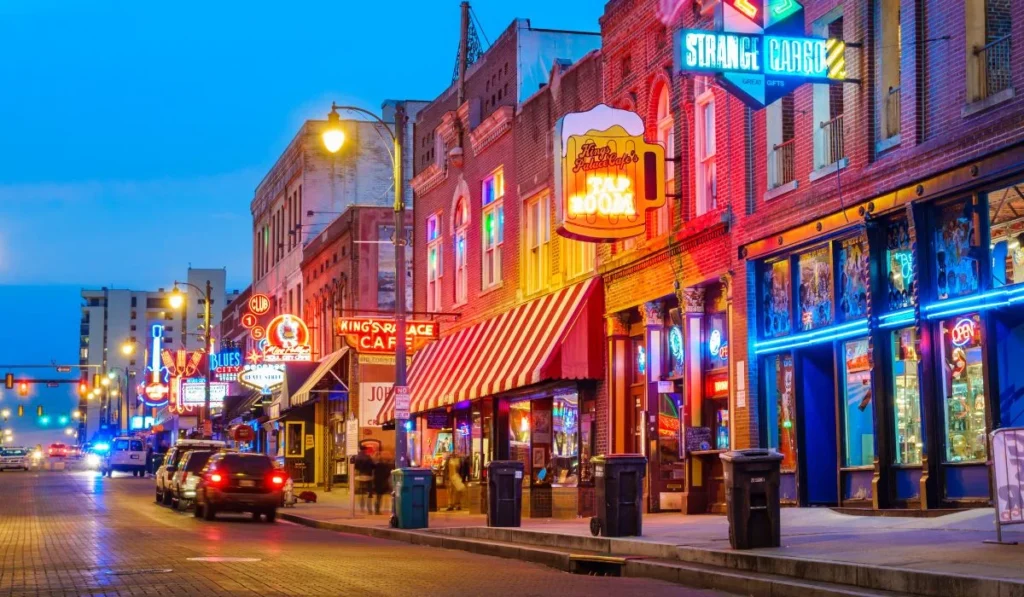
Music lovers will fall in love with Memphis, the birthplace of rock ’n’ roll and the blues. You can explore Beale Street’s live music scene for free or visit Graceland and Sun Studio at reasonable rates. BBQ lovers can feast on smoky ribs and pulled pork sandwiches for less than $15. The city also hosts free outdoor concerts and festivals throughout the year, so you can soak up the rhythm of Memphis without spending a fortune.
10. Omaha, Nebraska
Omaha is one of America’s most underrated travel bargains. This friendly Midwestern city offers affordable hotels, free attractions like the Old Market District, and scenic parks perfect for a relaxed stroll. The Henry Doorly Zoo, often ranked among the best in the world, is reasonably priced and well worth the visit. With its laid-back atmosphere, thriving local food scene, and low overall travel costs, Omaha is a wonderful place to experience the heartland of America on a budget.
Tips for Exploring the USA on a Budget
Traveling across the United States doesn’t have to be expensive — it’s all about planning smart and spending strategically. With a bit of flexibility and creativity, you can stretch your travel budget further than you might imagine. Here are some proven, traveler-approved ways to save money while still enjoying all that America has to offer.
1. Use Budget Airlines and Fare Alerts
Flight costs often eat up the biggest share of any travel budget. To cut costs, sign up for fare alerts on platforms like Google Flights, Skyscanner, or Hopper. These tools notify you when prices drop on routes you’re watching.
Low-cost carriers such as Southwest, Frontier, and Spirit Airlines often offer flash sales or discounted fares for flexible travelers. Booking flights on Tuesdays or Wednesdays can also yield better prices, as these are traditionally low-demand travel days. And remember — packing light helps you avoid checked-bag fees that can quickly add up.
2. Stay in Hostels, Motels, or Short-Term Rentals
Accommodation doesn’t have to be fancy to be comfortable. Hostels have evolved far beyond dorm rooms; many now offer private suites with modern amenities at a fraction of hotel prices. If you prefer more privacy, consider budget motels, locally owned inns, or Airbnbs outside city centers.
For longer stays, house-sitting or home exchange programs can also dramatically lower your costs — sometimes letting you stay for free in exchange for simple household responsibilities. The key is flexibility: traveling midweek or outside of peak tourist seasons often means better deals on places to stay.
3. Eat Like a Local
Dining out in tourist-heavy areas can drain your wallet quickly. Instead, eat where locals eat — food trucks, diners, and neighborhood cafés often serve hearty meals for half the price of big-name restaurants.
Grocery stores and farmers’ markets are another great way to save while experiencing regional flavors. Grab a picnic lunch and enjoy it in a city park or along a riverfront. Apps like Yelp or Google Maps can help you spot well-rated, affordable eateries in any area. Not only will you save money, but you’ll also get a more authentic taste of local life.
4. Explore Free Attractions and Outdoor Spots
Some of the best experiences in the U.S. are completely free. Many cities offer free museums, outdoor festivals, walking tours, and public art installations. National treasures like Smithsonian Museums in Washington, D.C., or Central Park in New York City don’t cost a cent to explore.
If you love the outdoors, consider visiting national or state parks during free admission days (typically a few times each year). Hiking trails, beaches, scenic drives, and city parks all provide endless opportunities for fun without the hefty entrance fees.
5. Use Public Transport or Walk Whenever Possible
Transportation costs can sneak up on you, especially if you rely heavily on taxis or rideshares. Instead, opt for public transportation systems like buses, trams, and subways — they’re not only budget-friendly but also give you a glimpse of local life.
Many U.S. cities now offer bike-share programs or electric scooters for short distances, perfect for eco-conscious travelers. If the city is walkable, plan your itinerary by neighborhood to minimize travel costs and maximize exploration time. Plus, walking often leads to delightful discoveries you’d miss in a car.
6. Take Advantage of City Passes and Travel Discounts
Before your trip, research tourist passes or city cards that bundle multiple attractions for one reduced price. For example, Go City Pass or CityPASS options in places like Chicago, Boston, or San Diego can save you up to 50% on entry fees.
Students, seniors, and military members should also check for special discounts at museums, theaters, and transportation hubs. Even if you’re not in those categories, some destinations offer “free admission days” or “happy-hour pricing” for popular sites — small savings that add up over time.
7. Travel Off-Season and Be Flexible
If your schedule allows, travel during shoulder seasons (spring and fall) or off-peak months. Not only will you find cheaper flights and hotels, but you’ll also enjoy smaller crowds and a more relaxed pace.
Flexibility is your best friend when traveling on a budget — shifting your travel dates by even a day or two can lead to big savings. And if you’re not tied to one destination, let price dictate where you go next — spontaneous trips to affordable cities can be just as rewarding as long-planned vacations.
8. Plan Ahead, But Leave Room for Serendipity
A well-planned itinerary helps you stay within budget by avoiding last-minute expenses. However, leaving a little flexibility allows you to take advantage of unexpected deals or free local events. Use budget-tracking apps like Trail Wallet or TravelSpend to keep tabs on your daily expenses and adjust as needed.
Exploring the United States doesn’t require a luxury budget — just a little preparation and an open mind. With these practical tips, you can experience the best of America’s cities, landscapes, and cultures while keeping your wallet (and your sense of adventure) full.
Planning Your Trip to the Cheapest Cities in the USA
Exploring America’s most affordable destinations doesn’t require months of planning or a travel agent — just smart organization, a bit of research, and flexibility. Whether you’re traveling solo, as a couple, or with friends, planning ahead helps you maximize every dollar and make the most of your adventure.
Below are key steps and strategies to help you create a smooth, budget-friendly itinerary that fits your travel style.
1. Start With a Realistic Budget
Before booking anything, determine how much you can comfortably spend. Break your travel budget into categories — transportation, lodging, food, attractions, and extras.
According to travel cost indexes like Budget Your Trip and Numbeo, most affordable U.S. cities allow travelers to explore comfortably on $80–$120 per day, including accommodation and meals.
Use budgeting apps such as TravelSpend, Mint, or Trail Wallet to track your spending in real time. Knowing your numbers keeps you from overspending early in your trip and gives you more confidence to enjoy experiences without guilt.
2. Choose the Right Time to Visit
Timing can make or break your travel budget. The shoulder seasons — typically March–May and September–November — offer the best mix of mild weather, lower prices, and smaller crowds.
Flights and hotels are often 20–30% cheaper compared to summer or holiday seasons. Additionally, off-peak travel often means more availability for affordable accommodations and discounted tours.
When possible, fly midweek instead of weekends. Airfare comparison tools like Google Flights or Kayak Explore can help you spot price trends and find the most affordable travel windows.
3. Build a Flexible 7-Day Budget Itinerary
To make the most of your time, plan your days around free or low-cost attractions while leaving room for spontaneous discoveries.
Here’s a sample 7-day itinerary outline for visiting two or three of the cheapest cities on your list:
Day 1–2: Arrival & Exploration
- Fly into a major airport hub (like Dallas, Atlanta, or Denver) to save on airfare.
- Spend the first day exploring free attractions — city parks, downtown areas, or riverfronts.
Day 3–4: Cultural & Local Experiences
- Visit museums on free admission days.
- Attend local markets or community festivals.
- Try one local specialty dish or restaurant per city — a fun splurge within your daily budget.
Day 5–6: Outdoor & Day Trips
- Take advantage of free or low-cost outdoor adventures — hiking trails, scenic drives, or nearby small towns.
- Use local transit passes for day trips; they’re cheaper than car rentals.
Day 7: Wind Down & Reflect
- Enjoy a final morning walk or café visit.
- Review your expenses to see where you saved most — helpful for planning future trips!
This balanced approach mixes structure and spontaneity while keeping costs under control.
4. Estimate a Realistic Daily Budget
Here’s a sample daily budget range for traveling in affordable U.S. cities:
| Category | Estimated Cost (Per Day) |
| Accommodation (budget hotel or Airbnb) | $60–$90 |
| Meals (local restaurants or groceries) | $25–$40 |
| Local transport (bus, metro, bike-share) | $5–$10 |
| Attractions & activities | $10–$20 |
| Miscellaneous (souvenirs, coffee, tips) | $5–$10 |
| Total Estimated Daily Cost | $100–$150 (or less) |
To reduce costs further, opt for shared accommodations, cook a few of your own meals, or focus on free attractions like walking tours or public events.
5. Pack Smart to Avoid Hidden Costs
Extra luggage fees and last-minute purchases can quietly eat into your savings. To stay within budget, pack versatile clothing, a refillable water bottle, and snacks for travel days. Many budget airlines charge for checked bags, so packing light not only saves money but also makes traveling between cities easier.
Pro tip: bring a portable charger and a small first-aid kit — simple additions that prevent you from buying overpriced essentials on the road.
6. Use Technology to Your Advantage
Modern travel apps make saving money easier than ever. Use:
- Hopper or Skyscanner for flight deals
- Rome2Rio for comparing transport options
- HotelTonight or Booking.com for last-minute accommodation discounts
- TripIt to organize your itinerary
Combining these digital tools can help you stay informed, organized, and spontaneous — all at once.
7. Stay Flexible and Embrace Local Life
One of the biggest joys of budget travel is discovering local gems that aren’t in every guidebook. Chat with locals for insider tips on happy-hour specials, free community events, or budget-friendly restaurants.
Being flexible — whether that means adjusting your travel dates or trying a smaller, lesser-known destination nearby — often leads to unexpected adventures and more authentic experiences.
Planning your trip to the cheapest cities in the USA is about more than saving money — it’s about traveling intentionally. With smart budgeting, flexible scheduling, and a willingness to explore beyond the obvious, you’ll uncover a side of America that’s rich in culture, community, and character — without the financial strain.
FAQs about the Cheapest Cities in the USA
What is the cheapest city to visit in the USA?
Albuquerque, New Mexico, is often ranked as the cheapest city to visit in the USA. It offers low hotel rates, affordable dining, and free attractions like Old Town and local art walks, making it a top pick for budget travelers.
Which U.S. cities offer the best value for budget travelers?
Cities like Kansas City (MO), San Antonio (TX), Savannah (GA), and Tucson (AZ) offer the best value for budget travelers. They combine low accommodation costs, inexpensive food, and plenty of free cultural or outdoor attractions.
How much should I budget per day in an affordable U.S. city?
Most budget-friendly U.S. cities cost around $100–$150 per day, including lodging, meals, and local transportation. Travelers can spend even less by choosing hostels, eating at local diners, and exploring free attractions.
When is the best time to visit the cheapest cities in the USA?
The best time to visit is during spring (March–May) and fall (September–November). These shoulder seasons offer cheaper flights and hotels, comfortable weather, and fewer crowds compared to peak summer months.
What are some free things to do in cheap U.S. cities?
Many affordable cities offer free experiences like walking tours, public parks, museums with free entry days, outdoor concerts, and local festivals. Savannah’s historic squares, San Antonio’s River Walk, and Kansas City’s art museums are top examples.
Final Thoughts
You don’t need a luxury budget to enjoy a rich and rewarding travel experience. The cheapest cities in the USA to visit prove that adventure, culture, and comfort can be found at every price point — if you know where to look. From the soulful rhythms of Memphis to the scenic trails of Boise, each destination offers its own blend of charm, community, and affordability.
Traveling on a budget isn’t about cutting corners — it’s about discovering value in unexpected places. By planning wisely, exploring during off-peak seasons, and embracing local culture, you can create memories that last a lifetime without overspending.So pack your bags, grab your travel buddy, and start exploring the hidden gems that make the U.S. both beautiful and budget-friendly. Your next unforgettable (and affordable) adventure is just a road trip or flight away.